
Polishing wax is a commonly used method for scratch removal. It provides an effective solution for surface scratches that car owners often encounter. Below, you can find detailed information and usage instructions about polishing wax.
Effect of Polishing Wax on Scratches
Scratches are unwanted and aesthetically disturbing marks on vehicle surfaces. When polishing wax is applied over these scratches, it fills or reduces the imperfections on the surface, making the scratches less noticeable. Often, fine scratches are completely removed, while the appearance of deeper scratches is minimized.
Especially when looking at the vehicle’s surface under sunlight, you may notice the reduced prominence of scratches after polishing. However, this process does not "repair" the scratches; it only improves their appearance on the surface.
How Are Scratches Removed with Polishing Wax?
Removing scratches with polishing wax is a process that requires professionalism. Proper technique and product usage play a significant role in achieving the desired result. First, ensure that your vehicle is clean and dry. Then, apply the polishing wax to the scratched area using light pressure and circular motions.
It is essential to spread the product evenly over the surface using a special applicator or microfiber cloth. After finishing the process, wipe off the excess product with a soft cloth and check the result. If necessary, you can repeat the process.
What Scratches Does Polishing Wax Remove?
The capacity of polishing wax to remove scratches generally depends on the type of product and the depth of the scratches. Fine scratches and oxidation marks on the surface are ideal for fine-grained polishes. For deeper scratches, coarser-grained polishes should be preferred.
For example, light friction marks caused by another vehicle in a parking lot or a fine scratch from a key are usually removed with polishing wax. However, deep scratches that reach the metal surface cannot be fully removed with this method. For such scratches, it might be more appropriate to seek professional help.
Types of Scratches That Can Be Removed with Polishing Wax
Types of scratches that can be removed with polishing wax include:
- Matte finish caused by sun oxidation
- Light abrasions and stains on the surface
- Marks caused by parking friction
- Stains left by substances such as tree sap or bird droppings
Types of Scratches Where Polishing Wax Is Not Effective
In some cases, polishing wax may not provide a solution:
- Deep scratches that reach the metal surface
- Large and deep wounds caused by accidents
- Permanent deformations caused by long-term neglect of the vehicle’s surface
In such cases, seeking professional help or considering a repainting process is advisable.
Does Polishing Wax Remove Scratches?
The use of polishing wax is quite common among car owners, and many people wonder whether this product removes scratches. In general, polishing wax is very effective at removing fine scratches and stains on the surface. However, it does not provide the same result for deep scratches.
Polishing wax is very effective for surface damage such as parking lot accidents, fine scratches from keys, or stains caused by tree branches. However, it should be noted that this method is not effective for deep scratches that extend to the metal surface.
Polishing Wax and Scratch Removal: Facts and Myths
There are many misconceptions about polishing wax being a miracle solution for all types of scratches. However, the reality is different. Here are some facts and myths:
- Fact: Polishing wax is effective at removing fine scratches and stains from the surface.
- Myth: Polishing wax can be used for every kind of scratch. (It is not effective for deep scratches.)
- Fact: Regular polishing wax applications protect and enhance the shine of your vehicle’s surface.
- Myth: Polishing wax has paint protection properties. (Polishing wax does not protect paint. However, after polishing and shining the surface, a protective wax or coating can be applied.)
Things to Consider While Removing Scratches with Polishing Wax
There are some important points to consider during the polishing wax application process:
- Correct Product Selection: Choose a polishing wax with the right grain size for the depth of the scratches.
- Clean Surface: Ensure that your vehicle’s surface is completely clean and dry before applying the wax.
- Light Pressure: Apply the product to the surface using circular motions without applying too much pressure.
- Test Area: Before using a new product, test it on a less visible area of your vehicle.
What to Do During the Polishing Wax Scratch Removal Application
- Use Microfiber Cloth: Using microfiber cloth for both the application and wiping processes helps you achieve the best results.
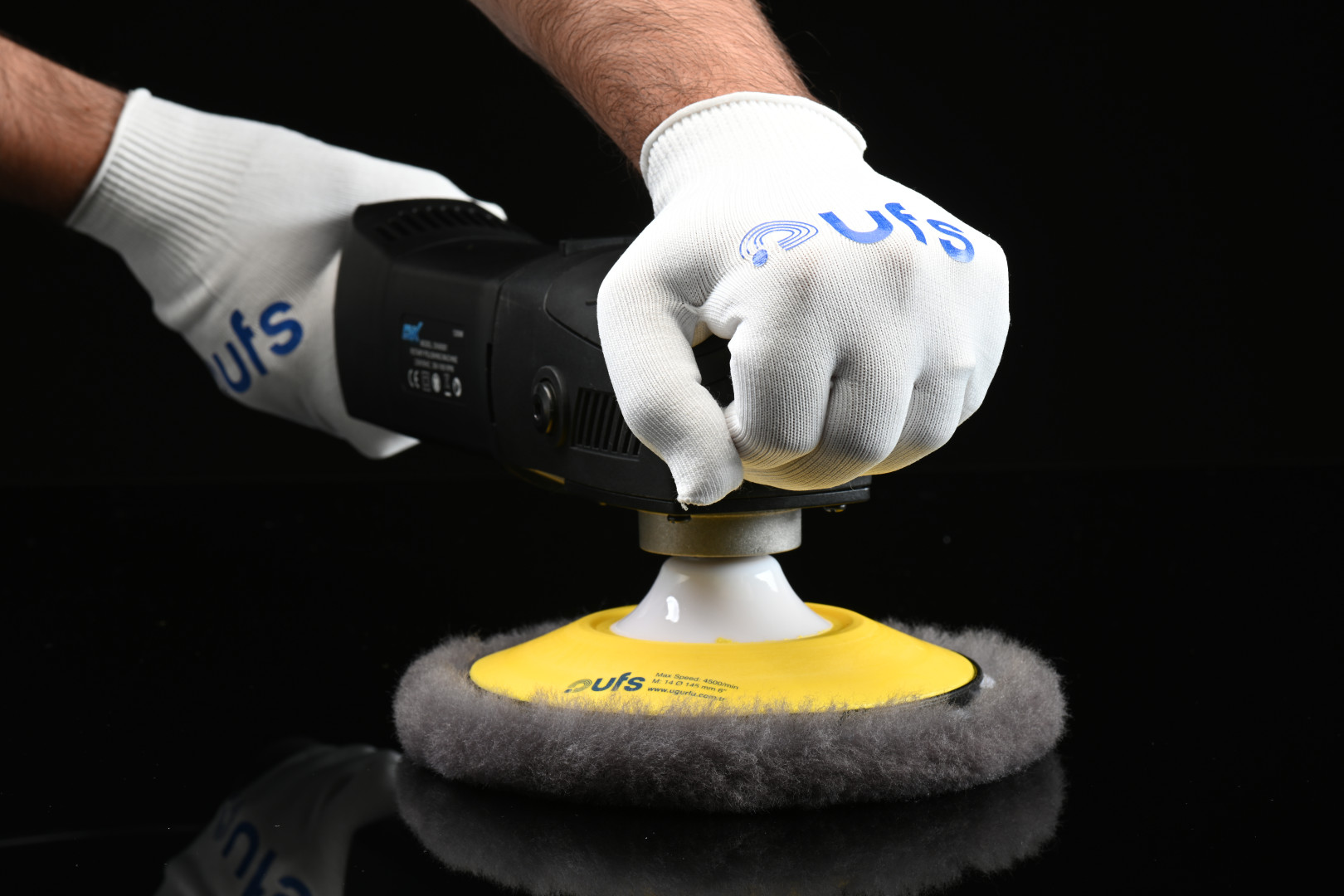
- Start at Low Speed: If using an electric polishing machine, start at a low speed and increase the speed as needed.
- Work in the Shade: Avoid applying polish under direct sunlight. It is best to work in the shade or a covered area.


.JPG)
.JPG)